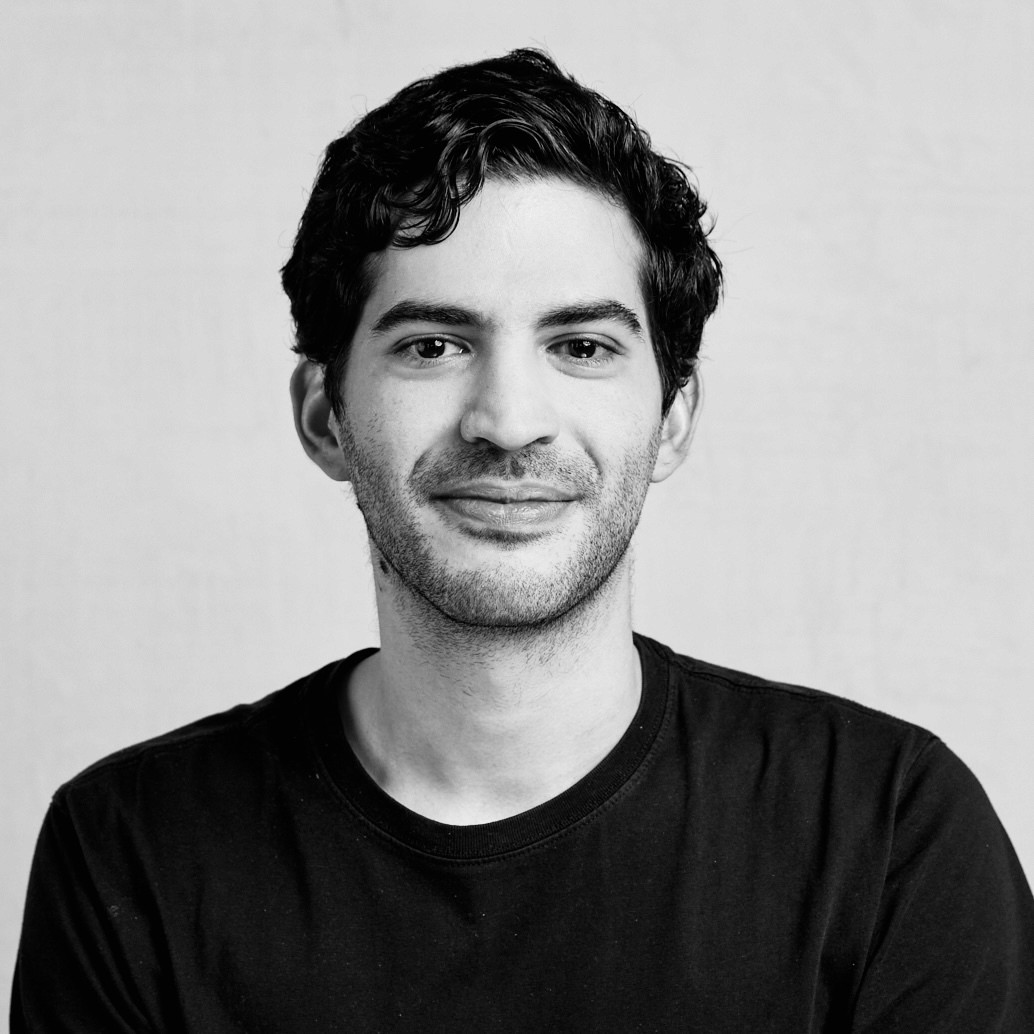
Our founding AI lead, Daniel Gonzalez, joins us to talk about what building his first company taught him, how time in the field shaped his approach to technology, and what he's been working on at Shield.
You've been building things since high school. What did you learn from your first company?
During my senior year of high school, I started a tutoring company with a friend. I liked the idea of creating something from scratch and figuring out how to build something that people could rely on.
It ended up being a great learning experience. It forced me to think about things like hiring and training, dealing with customers, and handling situations where expectations weren’t met much earlier than most of my peers.
Looking back, the biggest takeaway, though, was how important the people side of every business is. The people you hire matter a lot. Customer trust matters a lot. I didn’t fully understand that at the time, but it’s shaped the way I think about building teams and organizations today.
From there, you ended up at Palantir Technologies for several years. What did that experience teach you, and what pulled you into the IT services world?
Palantir taught me a lot about forward-deployed work and first-principles thinking. The firm really emphasized getting close to the work. You couldn’t sit outside a customer environment and make assumptions about how the best software and workflows should function. You had to experience it firsthand and work side-by-side with operators.
When I first joined the healthcare team at Palantir, I knew very little about how hospitals operated. I had to learn by spending time directly with nurses, administrators, and insurance teams inside hospitals. That gave me a much deeper understanding of how patient care works, how hospitals make money, and where operational bottlenecks exist. Over time, the work became less about deploying software and more about understanding how organizations function and how our technology improved the human-computer team.
That translated really well to Shield’s approach. Shield embeds deeply within the companies it partners with, so the work starts with understanding how the companies we acquire function day-to-day. When I first joined, I knew very little about the IT services industry. I spent the first few months learning directly from technicians, project engineers, and operations leaders about the metrics they cared about, where inefficiencies existed, and how they defined success.
When you onboard a new partner MSP for the first time, what do the first 90 days usually look like? How do you decide where to start?
The first step is really understanding what makes each MSP unique. Smaller MSPs operate very differently from larger ones. The customer base varies, the services vary, and even the operational structure inside the business can look completely different. A 12-person shop and a 60-person shop look almost nothing alike operationally, so we start by mapping how work actually moves through the business. This is usually the point where we start implementing some of our AI triage tooling.
From there it usually goes one of two ways. Either we focus on co-pilot workflows for engineers, or we go after specific ticket categories to automate. Most MSPs eventually do both but one is almost always the obvious place to start. If the MSP has a strong project services business, we also work on AI-enabled project operations so projects can move faster with autonomous updates and workflow support.
The goal is to work with the people closest to the system and turn the best version of that workflow into something our AI systems can support, automate, or eventually run with the right human oversight.
A core part of our thesis at Shield is aligning the people building AI technology with the businesses using it. What does that partnership actually look like day-to-day?
We spend the bulk of our time working directly with the technicians, engineers, and operational leaders inside the businesses themselves. That means sitting in working sessions, looking at how workflows function, and trying to understand where teams are losing time or running into friction.
Over time, those teams become deeply involved in shaping how the systems evolve themselves. For example, we recently spent a week with one of our companies in Texas. Our initial focus was deploying Forge, but we actually ended up developing some of our most valuable product roadmap ideas based on the feedback of the technicians as they started to use the product. They would point out handoffs that always created friction, repetitive steps that should not require an engineer, or places where better context would make the next action obvious. In many cases, we were able to build new workflows to support them almost overnight.
We’re also working closely with the COO at one of our companies on reconciliation workflows. While the individual didn’t have deep AI experience before, he’s now using it every day to improve his operations and workflows.
When operators begin extending the system themselves, it usually means the technology is fitting naturally into the environment rather than being imposed externally.
Helpdesk has gotten most of the attention in the industry so far. Where do you see the next real opportunity for IT services firms and their customers?
While our initial efforts have focused on the helpdesk, our longer-term goal is to help our companies bring that transformation directly to their customers. MSPs were originally created to be trusted infrastructure and technology providers. They managed devices, software licenses, tickets, and environments. That model made sense when technology itself was difficult to deploy and maintain.
What is changing now is that clients are increasingly asking their MSPs for guidance around how AI will change how their business operates. That has the potential to transform the role of the MSP significantly. Their work becomes less about managing infrastructure and more about becoming a true operational partner to customers.
The best technology reinforces trust rather than weakens it. In this market, the human relationship is still the foundation underneath the service model.
Across your career, what’s the most important thing you’ve learned from spending time in the field?
What you realize pretty quickly when you spend time inside enterprise environments is that a lot of talented people are spending a meaningful portion of their day compensating for inefficient systems and repetitive workflows. Nurses want to spend time with patients, not filling out forms or sitting behind a computer. Technicians want to solve interesting technical problems that require judgement and expertise rather than spend all day working on repetitive and mind-numbing tickets.
That is where we see the opportunity with AI. The best use cases are usually not replacing people. They’re reducing repetitive operational work so people can focus more of their time on problem solving, decision-making, and building stronger relationships with customers.
How has working with MSP founders shaped the way you think about building technology?
Something that has been interesting is how relationship-driven these businesses are compared to larger enterprises. Many of the owners that we work with built their companies through local relationships and trust. They built these relationships at community events, through referrals, and by showing up consistently for years.
That dynamic is very different from Fortune 500 environments, and it’s something we think carefully about as we build AI products. While our end goal is to solve operational problems, we also want to inherently deepen customer relationships and make people feel heard in the process.